Selecting Demolition Contractor & Consultants
By including certain information and requirements in the bidding process and in the final contract, you can better ensure that you select a demolition contractor in the United Kingdom (UK) who will perform the work you want done in a manner that complies with applicable regulations.
Demolition Experience
When choosing a demolition contractor it is important to examine if their type of demolition expertise & amount of experience is suitable to the requirements of the project before considering them for the demolition work.
In order to facilitate this process, the following approaches can be considered to aid in their evaluation:
-
References - ask the demolition contractor to provide references for similar work they have done in the past. You may also talk directly with people or project managers whom have hired in the past to obtain a full picture e.g. find out how a demolition contractor responded to potential noise or dust complaints
- Accreditation - consider the level of experience, training, certification or licences held by the contractor & their employees i.e. does it meet the standard in your country? There are typically many organisation vetting and auditing contractors. In the UK for example, there are the following compliance, accreditations & membership organisations for UK demolition contractors include:
-
Health & Safety Executive (HSE)
-
National Federation of Demolition Contractors (NFDC)
-
British Safet Council (BSC)
-
Contractors Health and Safety Assessment Scheme (CHAS)
-
- Regional Know-How - a final consideration concerning demolition contractor experience, is to evaluate if they are familiar with the local environment, building practices, materials & requirements
History of Compliance
Enquire if the firm has been warned or cited for any health and safety, or environmental issues or violations. In england you could, for example, enquire about UK demolition contractors:
- the agency responsible for protecting the environments i.e. Environmental Agency (EA), Northern Ireland ES, or the Scottish Environment Protection Agency
- the agency responsible for worker safety, for example the HSE
- the agency that licenses or accredits contractors and workers e.g. the NFDC
Enquiring with such agencies should reveal if they have ever taken any action against the contractor for breaches of health & safety, or environmental responsibility.
Use of Sub-contractors
Consider if the contractor uses subcontractors for certain types of work. Often this is the case for larger demolition & construction contractors, & the subcontractors typically come from their own approved list. If you have any concerns about the use of subcontractors, you may consider:
- Will you have any control over whom they choose?
- How will you perform oversight on subcontractors' work?
- Is subcontracting addressed in your bid documents & contracts, or in whatever written agreement you use to procure their services?
Local Council Oversight of Contractors
When a local government or council hires UK demolition contractors to provide services, it is still liable for any violations to environmental regulations. Oversight is important because it can help to:
- Ensure compliance with regulatory requirement
- Protect the public/ local residents
- Protect the environment
- Ensure value for money
Even if you are a local government body using its' own employees, oversight can be useful. It is, however, to consider if the employees possess the:
-
Special training, or personal protection equipment required if they are to be present on site or in enclosed places when the work is being done.
-
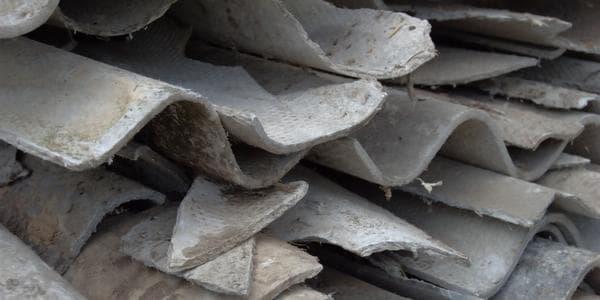
Necessary skills to oversee work, such as asbestos or lead paint removal.
-
Ability to manage the workload of overseeing multiple demolition contractor projects.
Asbestos removal and demolition at a single residential structure can take place in a very short time, so you'll need to be able to oversee such work during the brief time periods when it is taking place.
Other Considerations for a Demolition Contractor
Any demolition site inevitably introduces additional noise, dust (and even smoke) to the local environment, and may consequently in line for complaints from local residents. In our demolition services we closely monitor the noise, vibration and dust levels on site to ensure that they are acceptable & comply to regulations. Demolition contractors minimise disruption to the neighbourhood by complying to government body guidelines, in the UK the following guidelines are typical:
- Working Hours - in the UK, demolition site working hours are typically restricted to:
- 8 a.m. to 6 p.m. Mon. to Fri.
- 8 a.m. to 1 p.m. Sat.
- No working on Sun. or Bank-Holidays
Note that demolition work carried outside these hours may be permitted in exceptional circumstances; but only by prior agreement with the responsible government compartment.
-
Dust Control - any dust produced by demolition (or vehicle movements) must be kept to a minimum. This can be done by wetting stockpiles of dusty materials to prevent dust being blown into the air by wind, and by properly enclosing removal trucks. The wetting of demolished material can be achieved during demolition using a continuous fine water jet to spray or mist water over the demolition site. Sources of dust & other particulates can be evaluated by placing detectors around the site perimeter for monitoring. By monitoring dust in real-time, site managers can be made instantly aware & can take action immediately.
-
Noise Control - where possible, all equipment should be fitted with or housed within noise reduction accessories e.g. silencers, mufflers or acoustic housing. Scaffold sheeting or acoustic barriers may be placed strategically around the site to avoid stationary noise sources disrupting local residents. Acoustic quilts and material chutes can be placed internally to further reduce disruption. More information, relevant to the UK demolition guidelines may be found in the British Standard BS 5228.
-
Vibration Control - structural vibrations should also be considered during all stages of the demolition contract work. Monitors can be configured to alarm & inform works if vibration limits are exceeded. This can be achieved using either visual or audible alarm systems.
-
Keeping Local Residents Informed - inform residents of the planned work, & how long it will take. Offer contact details in case there are any enquiries from people. If any work is likely to cause particular noise disruption, inform locals in advance & ensure that there are breaks between noisy periods to offer relief.
- No Burning - all demolition material must be removed from site & disposed of by an authorised waste disposal site. No burning of materials is permitted on demolition sites in the UK - contractors must adhere to demolition waste management & disposal government policy guidelines.